
Illinois banned short-term health insurance plans starting January 1, 2025. This means residents can’t buy or renew these policies, which were previously used for temporary health coverage. Here’s what you need to know:
- Why the Ban? Short-term plans often lacked important benefits and denied coverage for pre-existing conditions, leaving consumers vulnerable to medical debt.
- Current Rules: Illinois prohibits short-term plans entirely, while federal rules still allow them in other states for up to 4 months.
- Alternatives: Residents can explore ACA marketplace plans, employer-sponsored insurance, COBRA, Medicaid, or CHIP for coverage.
- Future Changes? A bill (SB2757) introduced in 2026 aims to reverse the ban, but no changes have been made yet.
If you’re in Illinois, focus on ACA plans or other state-approved options to ensure you’re covered. Avoid short-term plans as they are illegal in the state.
Healthcare Protection Act becomes law in Illinois, addresses health insurance concerns
sbb-itb-a729c26
Illinois Short-Term Insurance Changes: What You Need to Know
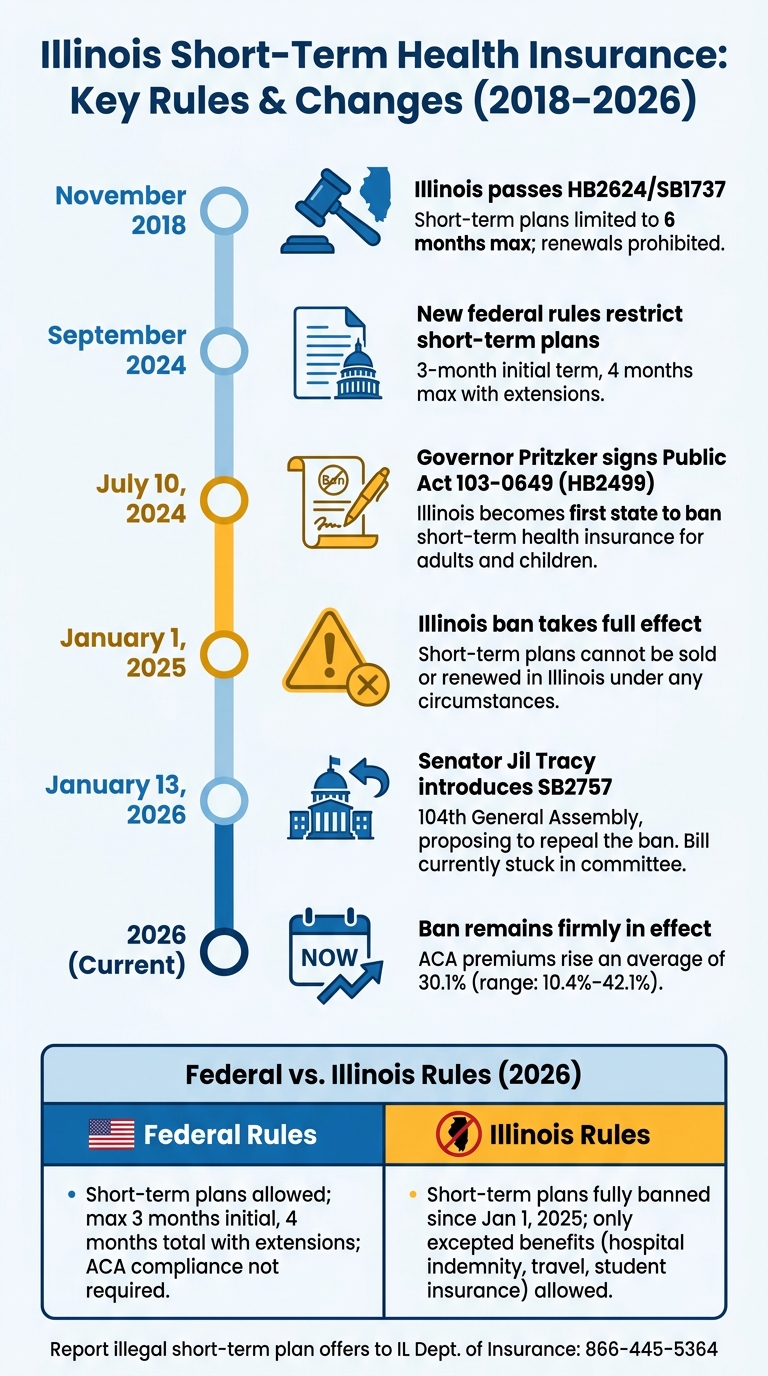
Illinois Short-Term Health Insurance: Key Rules & Changes (2018–2026)
Illinois has steadily tightened its rules on short-term health insurance, culminating in a complete ban.
Illinois’ Ban on Short-Term Plans
In November 2018, Illinois passed HB2624/SB1737, which limited short-term health plans to six months and prohibited renewals. However, lawmakers pushed for even stricter measures to protect consumers. On July 10, 2024, Governor JB Pritzker signed Public Act 103-0649 (HB2499), making Illinois the first state to ban short-term health insurance for both adults and children. This ban takes effect on January 1, 2025.
Senator Laura Fine (D-Glenview) explained the rationale behind the ban:
"Unfortunately, due to a lack of transparency, many individuals and families who have had short term limited duration plans were not aware of the limited coverage that these plans offered. As a result, some went into medical debt."
Governor Pritzker also commented:
"We’re putting power back into the hands of patients and their doctors and out of the grasps of predatory insurance companies who prioritize profits over patient outcomes."
The ban applies universally to all issuers but does not include "excepted benefits" like hospital indemnity plans, travel insurance, or student health insurance.
This move sets Illinois apart from federal regulations, which allow for short-term plans under specific conditions.
Federal Rules vs. Illinois Rules on Short-Term Insurance
In September 2024, new federal rules came into play, restricting short-term plans to an initial term of three months, with a maximum duration of four months when extensions are included. However, state laws take precedence over federal guidelines. As a result, short-term plans cannot be sold or renewed in Illinois under any circumstances.
Here’s a comparison of federal and Illinois rules:
| Feature | Federal Rules (as of 2026) | Illinois Rules (as of 2026) |
|---|---|---|
| Availability | Allowed in states that permit them | Banned since Jan 1, 2025 |
| Maximum Duration | 3 months (4 months with extensions) | Not applicable – plans are banned |
| Renewals | Capped at 4 months total | Not allowed |
| ACA Compliance | Not required | N/A (Plans are unavailable) |
| Excepted Benefits | Allowed with specific disclosures | Allowed (e.g., hospital indemnity plans) |
If someone offers a short-term health plan in Illinois, it’s a warning sign. The Illinois Department of Insurance urges residents to report such incidents by calling 866-445-5364.
While the ban is currently in place, discussions about its future are ongoing.
Possible Future Changes to Illinois Short-Term Insurance Law
Illinois lawmakers are considering revisiting the ban. On January 13, 2026, Senator Jil Tracy introduced SB2757 in the 104th General Assembly. This bill proposes repealing the sections of the Illinois Insurance Code that prohibit short-term, limited-duration insurance. If passed, this legislation would reinstate the Short-Term, Limited-Duration Health Insurance Coverage Act, potentially bringing these plans back to the market.
As of June 2026, the ban remains firmly in effect. Illinois residents cannot purchase short-term health insurance unless new legislation is passed. While it’s worth monitoring SB2757, the prohibition remains unchanged for now.
Alternatives to Short-Term Health Insurance in Illinois
With short-term health insurance no longer available in Illinois, residents still have several reliable options for coverage. The best choice depends on factors like your income, employment status, and how long you need coverage.
ACA Marketplace Plans via Get Covered Illinois
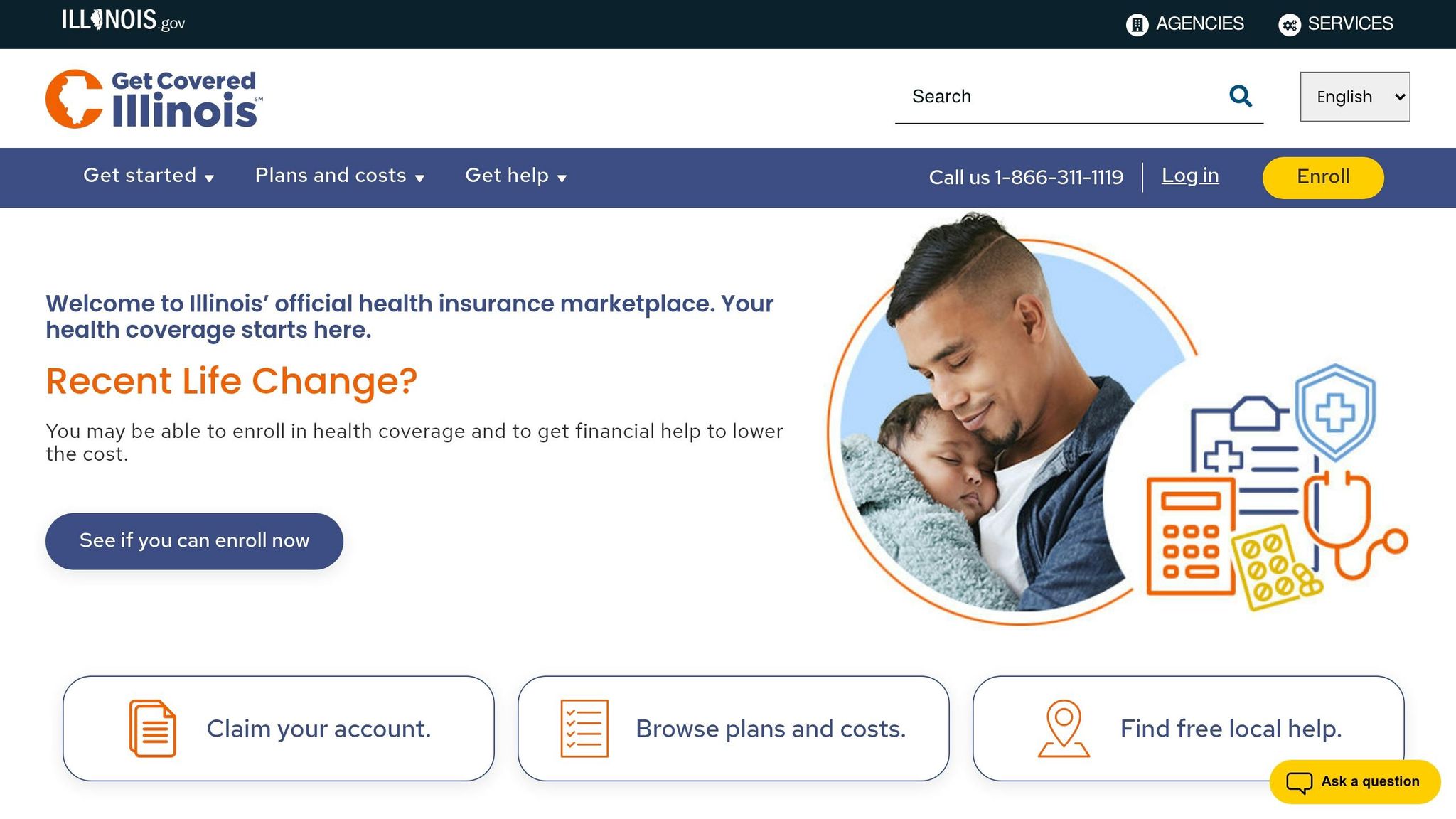
For most Illinois residents, the Get Covered Illinois marketplace (GetCoveredIllinois.gov) is the go-to option. It’s the only platform where you can access tax credits and Cost-Sharing Reductions (CSR) to help lower premiums and out-of-pocket expenses.
Although Open Enrollment for 2026 ended on January 31, Special Enrollment Periods (SEPs) are available if you experience qualifying life events. Additionally, Illinois offered a unique transition-year SEP from February 1 to March 31, 2026, for individuals automatically renewed into plans who hadn’t yet claimed their marketplace accounts.
However, premiums increased in 2026 after the expiration of enhanced tax credits. Rates rose an average of 30.1%, with increases ranging from 10.4% to 42.1%.
"We are seeing record numbers of customers finding more affordable coverage by taking the time to shop for and compare plans." – Morgan Winters, Director of Get Covered Illinois
If you’re unsure about your options, Illinois Health Agents can connect you with one of over 9,000 certified brokers or 140 navigators statewide to help you make an informed decision. For those between jobs, employer-sponsored options may also be worth considering.
Employer-Sponsored Plans and COBRA
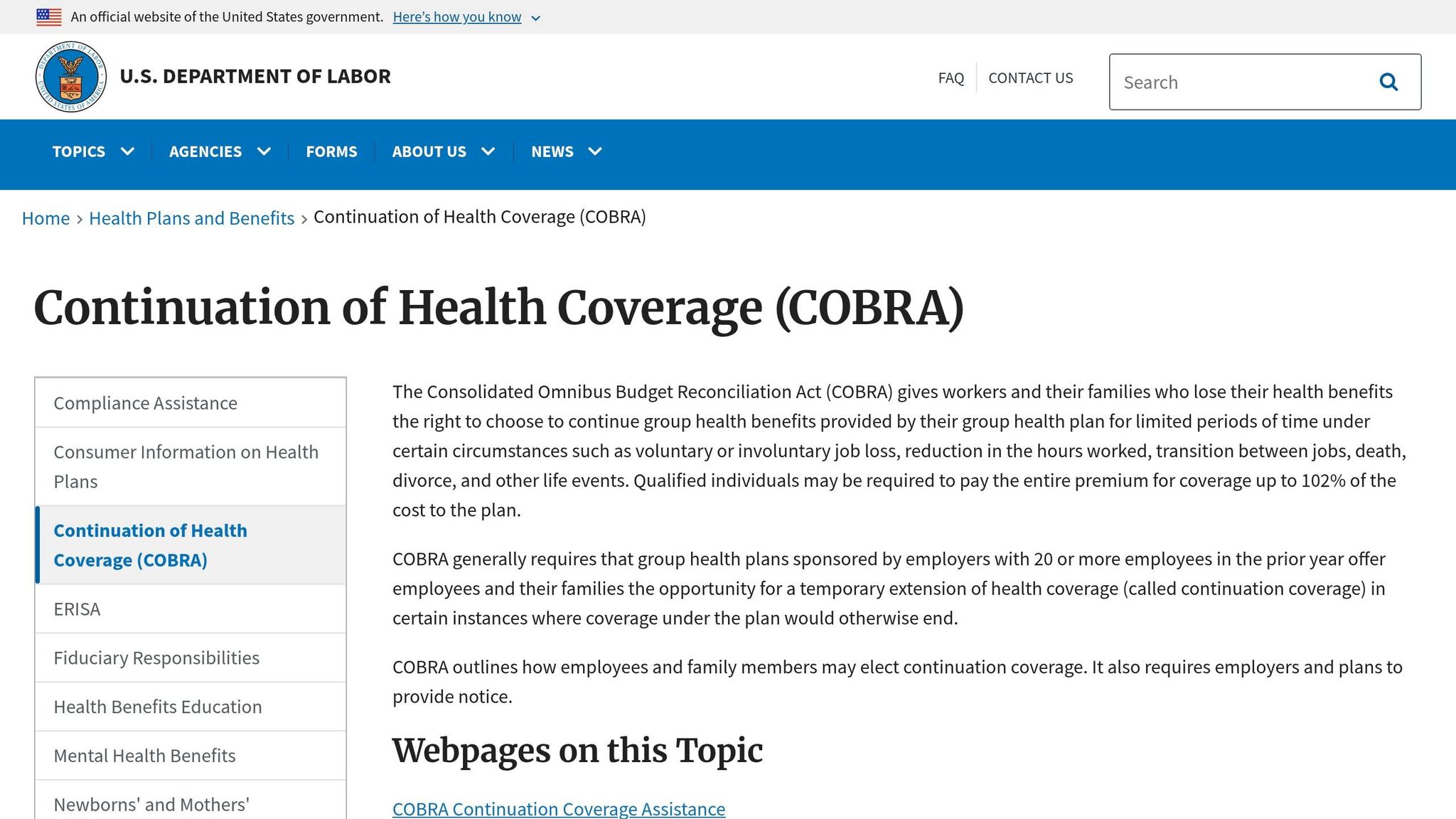
If you lose your job-based health insurance, employer-sponsored plans or COBRA could provide a temporary solution. COBRA allows you to maintain your previous coverage, but you’ll need to cover the full premium cost yourself, which can be significantly higher than what you paid as an employee.
Losing employer-sponsored coverage also qualifies you for a Special Enrollment Period through Get Covered Illinois. This gives you the opportunity to compare COBRA with marketplace plans and decide which is more affordable for your situation.
Medicaid and CHIP
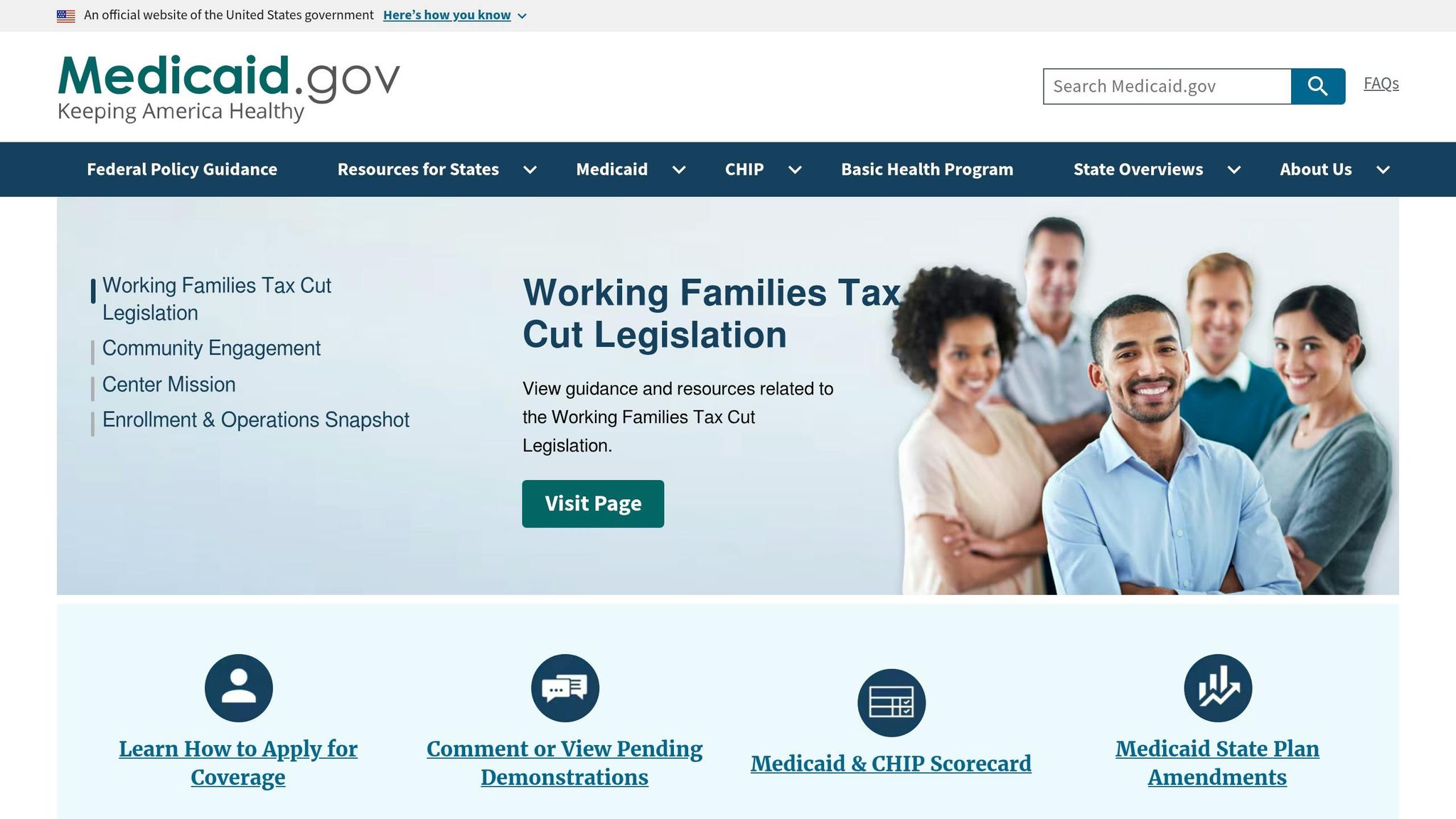
For individuals and families with limited income, Medicaid and the Children’s Health Insurance Program (CHIP) are excellent options. These programs offer comprehensive coverage year-round, with no enrollment deadlines. Applications can be submitted at any time through ABE.illinois.gov, by phone, or in person at a Department of Human Services office.
Medicaid covers a wide range of groups, including children, pregnant individuals, and those within the 12-month postpartum period. Eligibility is determined by household income and size, and most plans come with little to no out-of-pocket costs.
| Option | Best For | Enrollment Period |
|---|---|---|
| ACA Marketplace (Get Covered Illinois) | Residents without employer coverage | Open Enrollment or SEP |
| Employer-Sponsored / COBRA | Individuals transitioning between jobs | Anytime (COBRA within 60 days of losing coverage) |
| Medicaid / CHIP | Low- to moderate-income individuals/families | Year-round |
Short-Term Insurance Rules: Before 2025, Federal, and Illinois in 2026
Short-Term Insurance Rules in Illinois Before 2025
Before the 2025 ban took effect, Illinois already had some of the toughest restrictions on short-term insurance in the country. Plans were limited to less than 181 days, with no option for renewal. These early measures set the stage for the stricter rules that followed in 2026.
Illinois also introduced key consumer protections. For instance, policyholders had the right to cancel their plans after any 30-day period. Additionally, applications and marketing materials were required to include a bold, 14-point disclosure warning consumers that these plans did not meet the Affordable Care Act’s (ACA) minimum essential coverage standards.
"NOTICE: THE SHORT-TERM, LIMITED-DURATION INSURANCE BENEFITS UNDER THIS COVERAGE DO NOT MEET ALL FEDERAL REQUIREMENTS TO QUALIFY AS ‘MINIMUM ESSENTIAL COVERAGE’ FOR HEALTH INSURANCE UNDER THE AFFORDABLE CARE ACT." – Mandatory Disclosure Language, 215 ILCS 190/15
Despite these measures, the rules proved to be insufficient in fully protecting consumers. This led to the outright ban of these plans, effective January 1, 2025. This progression highlights Illinois’ ongoing focus on consumer protection, a priority that continues into 2026.
Federal Rules vs. Illinois Rules in 2026: Side-by-Side Comparison
By 2026, federal rules still allow short-term plans but impose stricter limits. The 2024 federal final rule reduced the maximum total coverage period to just four months, including any extensions. Illinois, however, has taken a more drastic approach, banning these plans entirely.
Here’s a snapshot of how the rules compare:
| Feature | Illinois (Pre-2025) | Federal Rules (2026) | Illinois (2026) |
|---|---|---|---|
| Availability | Allowed | Allowed | Prohibited |
| Max Initial Duration | Under 181 days | 3 months | N/A |
| Max Total Duration | 181 days (no renewals) | 4 months | N/A |
| Consumer Notice | 14-point bold disclosure | Standardized federal warning | N/A |
Importantly, Illinois’ ban extends to insurers offering coverage through out-of-state groups or associations, leaving no loopholes for residents. The only exceptions are for "excepted benefit" products, such as hospital indemnity, accident-only, or travel insurance, as well as student health insurance tied to academic terms.
How Illinois Health Agents Can Help You Find Coverage in 2026
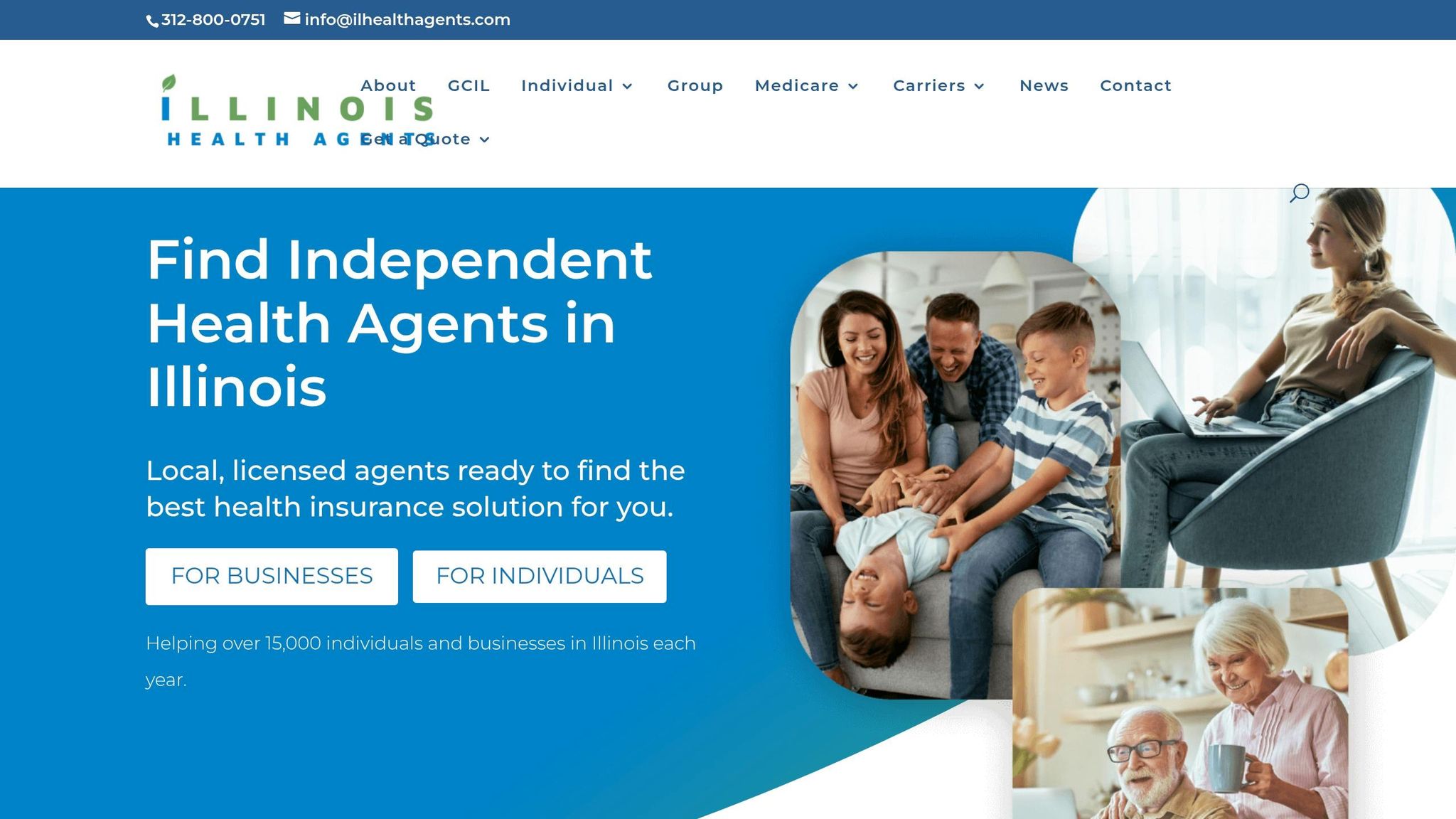
With short-term plans no longer an option and ACA premiums on the rise, navigating health insurance in 2026 can feel overwhelming. That’s where Illinois Health Agents comes in. This licensed, independent agency – founded by two Chicagoland brokers – specializes in helping individuals, families, and businesses adapt to these changes.
"Whether you buy from us, another agency, or directly from a health insurance company, you will pay the same monthly premium. And our assistance is absolutely free." – Illinois Health Agents
Their expertise is especially valuable in this changing landscape, as detailed below.
Personalized Guidance for Illinois Residents
The health insurance market in Illinois is shifting significantly in 2026. Major carriers like Health Alliance, Aetna CVS Health, and Quartz have exited the state marketplace, leaving fewer options for consumers. Compounding the issue, Cigna has withdrawn from offering marketplace plans in Cook County, though it continues to operate in other parts of Illinois. Many residents affected by these changes were auto-enrolled into "similar" plans, which may come with unfamiliar networks or increased costs.
Illinois Health Agents helps clients make sense of these changes by:
- Reviewing eligibility for subsidies to offset rising premiums.
- Comparing finalized 2026 rate filings to find the best options.
- Identifying plans that include access to top hospitals like Northwestern Memorial Hospital, University of Chicago Medical Center, and Rush University Medical Center.
The need for assistance is clear: ACA premiums in Illinois have climbed an average of 28.8% for 2026, with Celtic Insurance Company seeing the sharpest increase at 42.1%. This dramatic rise makes it more important than ever to conduct a thorough subsidy analysis and carefully select a plan that meets both budget and healthcare needs.
Beyond plan selection, understanding regulatory updates is just as critical.
Staying Current with Illinois Insurance Law
Regulatory changes continue to shape the health insurance landscape. Illinois Health Agents keeps a close eye on these developments to ensure clients’ coverage remains effective and up to date. While regulations have not changed significantly, SB2757, introduced in January 2026, is being monitored closely as it could influence future coverage options.
It’s also important to note that the expiration of certain policies, like hospital indemnity or accident-only plans, does not qualify for a Special Enrollment Period. Timing transitions between plans correctly is crucial, and this is exactly the type of detail that Illinois Health Agents can help you navigate with confidence.
Conclusion
Illinois has banned short-term health insurance plans under Public Act 103-0649, effective January 1, 2025. This law makes it illegal to sell or renew short-term, limited-duration (STLD) plans to residents of the state. Although Senate Bill 2757 was introduced in early 2026 to overturn this ban, it is currently stuck in committee.
It’s important to note that losing STLD coverage does not trigger a Special Enrollment Period (SEP):
"The loss of STLD coverage or excepted benefit coverage does not qualify you for a loss of health coverage SEP." – Illinois Department of Insurance
This highlights the need to explore approved, comprehensive insurance options to ensure continuous coverage.
With individual ACA plan premiums increasing in 2026 and ongoing changes in the health insurance market, protecting consumers remains a top concern. For assistance navigating coverage rules, comparing plans, or checking subsidy eligibility, Illinois Health Agents offers free support.
If you come across anyone attempting to sell a prohibited STLD policy, report the incident to the Illinois Department of Insurance at 866-445-5364.
FAQs
What should I do if my short-term plan ends in 2025 or 2026?
If your short-term health plan is set to end in 2025 or 2026, your coverage will remain active until the policy term concludes. However, after that, no insurer in Illinois will be able to renew, extend, or offer you a new short-term policy. Since these plans don’t meet the requirements for minimum essential coverage, their expiration won’t qualify you for a Special Enrollment Period. To ensure you have uninterrupted coverage, it’s worth looking into ACA-compliant major medical plans. Illinois Health Agents can assist in reviewing your options to help you stay covered.
How can I tell if a plan being sold in Illinois is actually short-term insurance?
Starting January 1, 2025, short-term, limited-duration insurance (STLDI) policies will no longer be allowed to be sold, issued, or renewed in Illinois. Any plan advertised as short-term insurance after this date will not meet state requirements or be considered legitimate. If you’re looking for help with ACA-compliant plans or other coverage options, Illinois Health Agents can guide you in finding the right insurance to suit your needs.
Which option is cheapest for me: ACA, COBRA, or Medicaid/CHIP?
The most affordable health coverage option depends on your income, health status, and eligibility. Medicaid often stands out as the least expensive choice, frequently offering $0 premiums. If you’re eligible for subsidies, Marketplace ACA plans can significantly reduce costs compared to COBRA, which requires you to pay the entire premium plus a 2% administrative fee. Short-term plans might save you 50%-80% compared to unsubsidized ACA plans, but they don’t meet ACA standards and generally exclude coverage for pre-existing conditions.
Recent Comments